


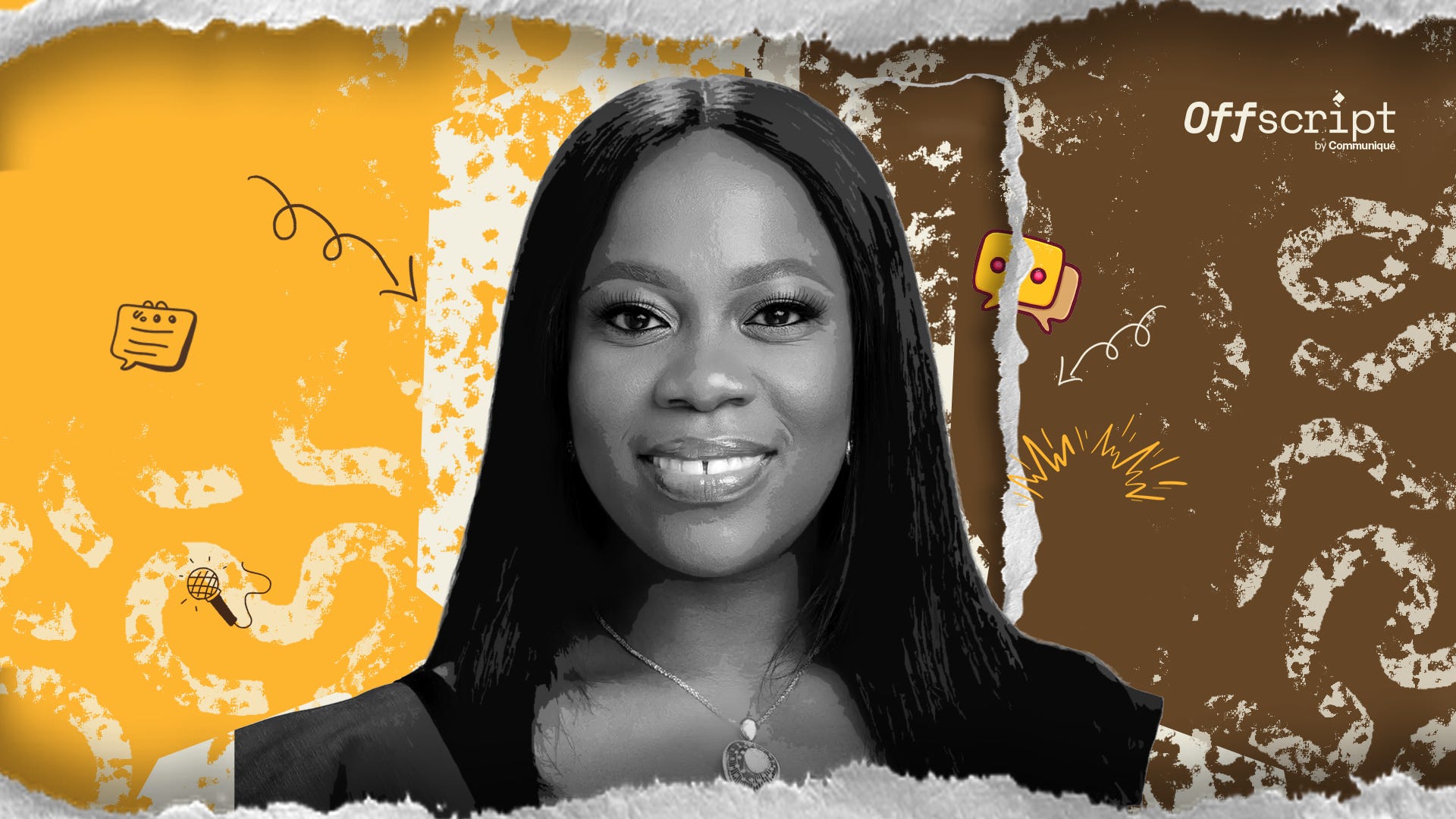
“I truly believe creators are the next media enterprises.”
Addy Awofisayo has left YouTube to build Adeola Studios. For years, her job was to help African broadcasters, Nollywood producers, musicians, and creators grow on the platform. Her new company works with the people she thinks will win the next decade of media: creators who want to turn channels into businesses, brands that want to reach audiences through them, and investors trying to work out where the money is. She is paying for it herself.
Her reasoning fits in two sentences. “I said technology was going to disrupt traditional media. Creators now are going to just disrupt media in general.”
She was right about the first. In 2018, she left traditional TV for tech because she believed platforms like YouTube would remake media, and then spent years convincing African broadcasters and filmmakers to use the platform instead of fearing it. Each move in her career, from finance at Microsoft to strategy at a Nigerian broadcaster to partnerships at YouTube, followed a view about where media was going. Those views explain what she is building now.

Trust has moved to creators
Awofisayo’s case for creators starts with who audiences believe. Big media companies used to own that trust. Now, she argues, it belongs to individuals who built it one video at a time. “A creator can say something, and so many people would move towards it, whereas a professional might say it, but people won’t move, because that professional has not built that relationship with the audience.”
She sees it everywhere. MrBeast picked up a camera, filmed himself, and built a channel with more subscribers than some countries have people, then a company that churns out shows. Comedian and skitmaker Adebayo “Isbae U” Abidemi was able to convince Olusegun Obasanjo, a former president, to sit down for an interview on his podcast. Netflix is courting creators, and some of the most talked-about formats, like Pop the Balloon, come from creators rather than production houses. “That’s the future of media, that’s the future of storytelling, that’s the future of entertainment.”
Brands have noticed. Her favourite recent example is Chef T’s jollof rice with Burger King. The chain could have launched its own jollof and put its own name on it. Instead, it chose a creator already known for hers, and the online chatter at launch proved her point. “Even they are like, it’s [going] to be more powerful if we work with a creator.”
What most African creators lack is the business around the audience. Adeola Studios exists to supply it. Awofisayo wants to help creators “take it from, oh, I’m a creator, to now I’m a CEO. I’m building a media company.” Abroad, she points to streamers who now sell clothing, cooking products, and drinks. At home, she wants to bring brands to creators as partners rather than billboards, and to give investors who are betting on creators a way in.
The obvious objection is that creators build on platforms they do not own, where an algorithm change can cut their reach overnight and brand budgets come and go. Awofisayo’s case rests on the relationships that a platform cannot take away. “The audience is shifting to what they feel comfortable with, what they trust,” she said. Turning that trust into revenue that does not depend on a single platform, through brand partnerships and products of their own, is what Adeola Studios is for.
For now, the money is hers. “It’s me investing in myself and investing in creators and investing in the future of media.” She is counting on her reputation, built over more than a decade in African media, four years in Nigerian TV, and almost eight at YouTube, to get brands, creators, and investors to take her calls.
Be early
“Let’s be where the future is going to be before the future happens” is how Awofisayo describes her philosophy.
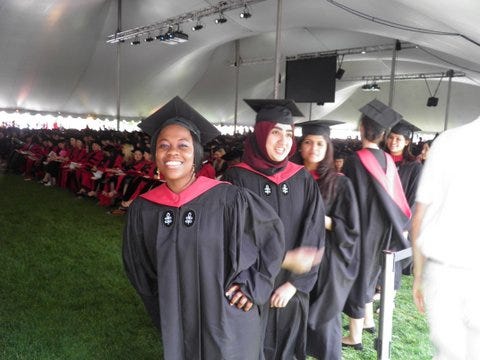
She first acted on it at 24. She was a finance manager at Microsoft, with a glass office and her name on the door. When her father visited Seattle, he photographed it. In Nigeria, people waited years for an office of their own. She quit anyway, without telling her parents, because she could see the next 10 years of the job and did not want them.
She acted on it again in 2018. After four years working on strategy at Continental Broadcasting Service, the owner of TVC News, she went back to the US with the experience big studios had once said she lacked. This time they called back. But Facebook had launched Watch, Amazon had Prime Video, and YouTube was taking off. “There was no point trying to get into Disney if Disney is not going to look the same in five years’ time.” She targeted the tech giants instead. “They are the ones disrupting media.”
Adeola Studios is the same move. Creators are already a business in the US. In Africa, the business around them is still forming, and she wants to be building it.

Every face on screen has an economy behind it
The idea that shaped her career came on a project at Discovery Communications after graduate school, when she realised that a media career did not have to happen on camera. “Even a finance person working at Discovery is working in the media industry, but just in finance.”
It is still the lens she uses. “We see the creator on screen. There’s a whole economy that needs to be around there for that creator to be successful.” At YouTube, the first role dedicated to creator partnerships in Africa was hers, and she used it to build that economy through creator weeks, summits, and the Africa arm of the Black Voices Fund. The work she loved most was helping creators earn enough to quit their day jobs. “I could do that [for] 24 hours.”
When the Grammys introduced the Best African Music Performance category in 2024, she organised a celebration in Los Angeles. The guest list was not only artists. It was the managers, label executives, and collaborators behind them. A successful artist, she said, has a strong team behind them. “Let’s celebrate that team.” That team is what Adeola Studios wants to build around creators.
You’re reading Communiqué because someone in the Inner Circle paid for it. Pay it forward. Your contribution funds original reporting, data licensing, and a small editorial team that actually answers your replies. No ads, no paywalls.
Use the platform, don’t fear it
Awofisayo’s first job at YouTube was persuading broadcasters such as TVC, Arise, and AIT in Nigeria, SABC in South Africa, and KTN in Kenya that the platform was a distribution channel, not a rival. They worried about sending viewers elsewhere, onto a platform where they could not even sell their own ads. Several now run 24-hour livestreams there.
She made the same case to Nollywood. Films used to move from cinemas to pay TV, to free-to-air TV, sometimes to DVD, and then their commercial life ended. A few digital-first producers bought the leftover rights for as little as $5,000, uploaded the films to YouTube, and earned many times that from ads. The producers who sold those rights had not done the maths. “Now we think there’s a revolution of Nollywood on YouTube. But the work started in 2018.”
She does not tell producers to give up on cinemas. She asks what they are making the film for. A cinema run lasts a month or two, and Nigeria has few screens for the number of films it makes. On YouTube, a film earns from anywhere for as long as it stays up. What matters more to her is that the audience talks back. “When your movie goes to cinema, you don’t know who’s watching. You don’t know their feedback, you don’t know what they think, you don’t know if they want a sequel.”
Music taught her the same lesson at a bigger scale. When Burna Boy played Madison Square Garden in 2022, only the people inside could see it. YouTube livestreamed it, a project she worked on, and people who had never been fans tuned in because his name was trending. For many, it was the first time they saw what he could do on stage. “How do you make it a global moment? Well, that’s where YouTube comes in.” The creators she works with now face the same question: how to reach people beyond their first audience, and get paid for it.


Being late is an advantage
Africa is often late to media shifts. Awofisayo thinks that can be useful. “We get to learn and see what other people are doing, see the mistakes, see the good, see the bad, and try and make sure that we learn from that.” Adeola Studios is built to take what worked in the global creator economy and apply it at home.
Today it is common for Nollywood producers to go straight to YouTube. In 2018, it was Awofisayo’s job to convince them. She is making the same bet on creators now, while most of the industry is still deciding whether to take them seriously. “I want to be that person that’s really helping African creators to fully realise their potential of becoming an entertainment powerhouse, a media powerhouse.”