


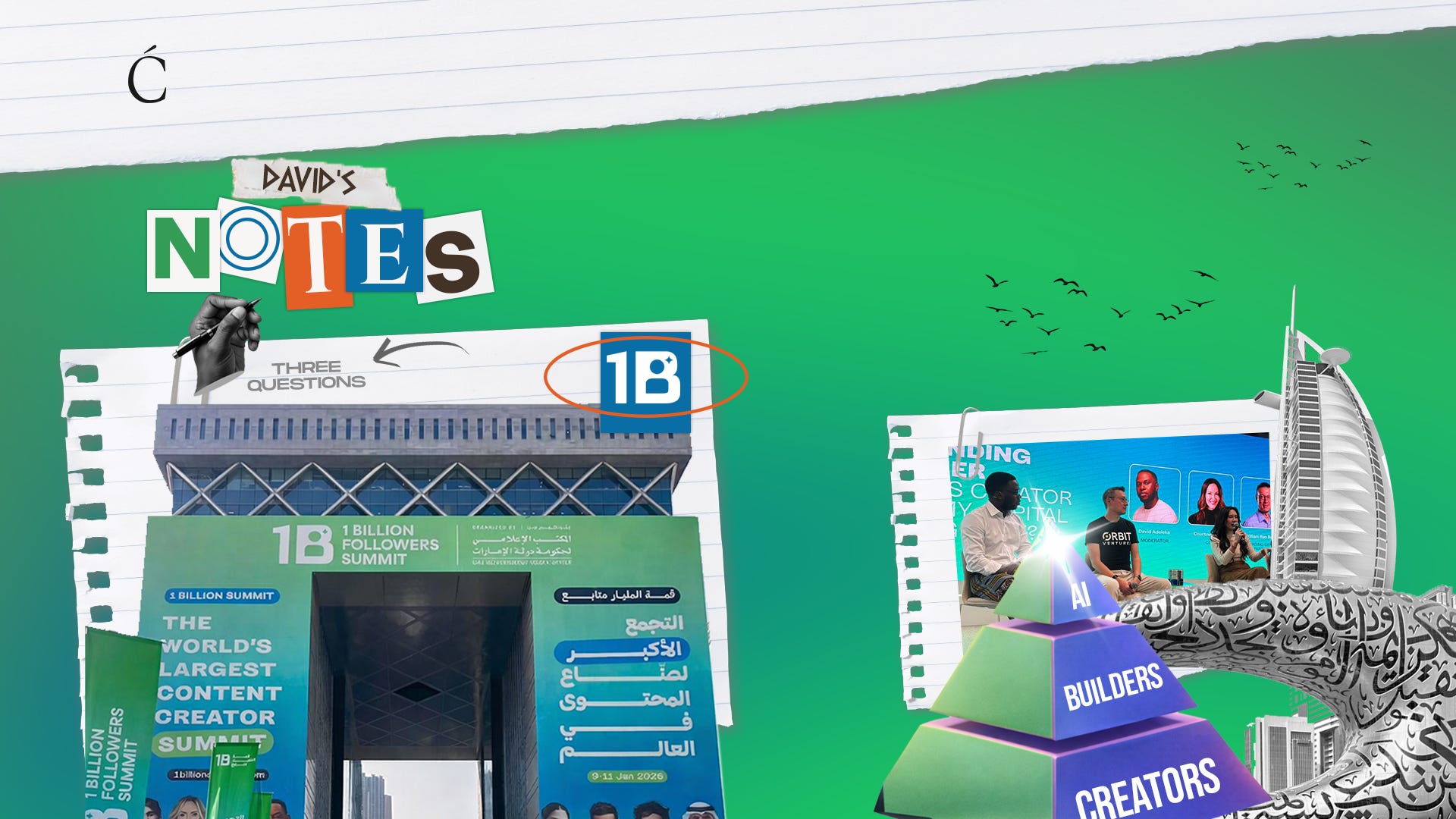
1. The stage is set
It’s incredibly difficult to distil insights from an event with more than 420 speakers across nine stages over three days into a single essay. Still, I’ll attempt it here, in the first edition of Communiqué for 2026. Happy New Year. I hope you had a proper break.
I spent the first part of January attending and speaking at the 1 Billion Followers Summit in Dubai. I expected a massive event. I knew a lot was going to happen. Despite that, I still wasn’t prepared for the magnitude of what I experienced. The summit was a smorgasbord of over 15,000 creators, entrepreneurs, investors, and policymakers from across the world — Nigeria, Kenya, the UAE, the United States, the United Kingdom, Germany, Australia, and many places in between.
If you arrived without a clear sense of what you wanted to achieve, it would have been very easy to get lost or overwhelmed.
Heading to Dubai, I had three questions I wanted answers to.
How are creators and builders using new technologies, and how is it reshaping their work?
Is there a unique place for African creators in the global ecosystem — and can our collective identity become a platform to build upon?
And what does the future of the global and African creator economy actually look like?
Before getting into what I learned, one thing became immediately clearer to me than ever before: the idea that the internet offers equal opportunity to anyone, anywhere in the world, is simply false.
The world is not flat. And the internet, if anything, makes inequality more visible.
Creators do not have equal access to audiences, opportunities, capital, infrastructure, or even information. These things are heavily shaped by geography, policy, and the environments in which creators develop their craft. Yes, some creators in low-income countries break through globally — but they are exceptions, not the rule. In many instances, they must leave their home countries to achieve this level of success.
If we want to build durable creator economies, we need to come to terms with this reality and stop designing strategies based on wishful thinking.
2. The infrastructure game
One of the clearest signals from the summit was that the creator economy has moved beyond experimentation and into an infrastructure phase.
The next era will not be defined by virality alone, but by repeatability and business structure.
Across the event, I saw startups focused on helping creators productise, monetise, and own their relationships with their audiences. Platforms like Fourthwall, Outfit Alliance, Dawrati, Sayy.ai, and Mbank are all building tools that make it easier for creators to sell directly to their communities. Then we have companies like Halo and Social Cash that make it easier for brands to find the right creators to work with. I also saw creators building physical products around their brands, from fashion and wellness to consumer goods. Brands such as Fade Fit, Mina Alsheikhly, and Nafas by Noor are outcomes of this kind of thinking.
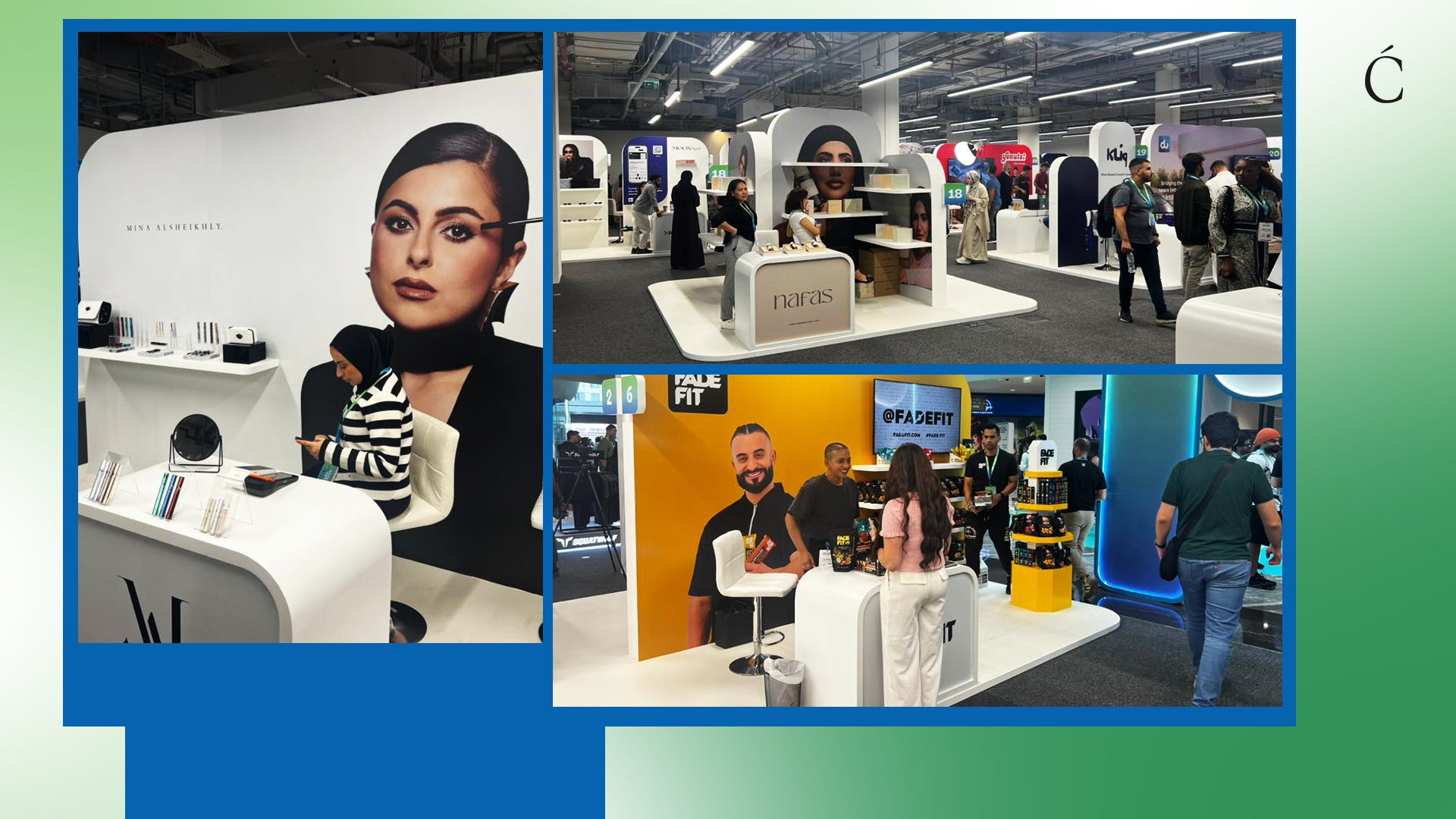
What stood out was not just what they were building, but how deliberately they were designing systems to turn attention into predictable revenue. But this does not happen by chance. There’s a pattern.
For instance, long-form creators are more likely to consistently outperform short-form creators in product monetisation. And it is they who will benefit most from infrastructure development in the long term. Their investment in depth means they spend more time interfacing with their true fans, and vice versa. On social video platforms, the relationships are more fleeting. This shows up in how well these creators can demand loyalty from their community.
The implication is clear: the future of the creator economy belongs to creators who own their audiences, their IP, and their distribution, not those who rely entirely on platforms they do not control. Platforms are suitable for reach and recognition, but even the MrBeasts of this world know that empires are typically built off-platform. In the long run, at least.
For Africa, this matters enormously. If we do not build or adopt infrastructure that enables creators to monetise directly, we risk producing talent that generates value everywhere except at home.
3. Cultural power is not self-fulfilling
This year’s 1 Billion Followers Summit had more African speakers than any previous edition. That said, there weren’t enough African creators present in the audience and on stage, and that needs to change, especially for an event this global. What was also conspicuously absent was African policy and government leadership.
This is understandable to some extent. 2026 was the first year that speakers and creators from the continent were present with such prominence. I addressed this during my interview with The National News. But it cannot become a pattern, especially as the event grows in size and impact.
In contrast, the UAE’s posture was striking. There was an apparent openness to dialogue, experimentation, and partnership: less gatekeeping and more intent. From visas to logistics to cross-border coordination, the level of state commitment was obvious. Speakers from visa-required countries did not have to worry. The organisers addressed this, and this was only possible because the government was fully supportive.
The UAE understands something many others still do not: creators are not a sideshow. They are economic actors who can contribute significantly to a country’s vitality and perception. And the systems that support them matter.
Africa cannot afford to remain culturally visible but structurally and strategically absent. That gap has real consequences for how the value of its content is created, captured, and retained.
4. The creator economy is geopolitical
The most important realisation I left Dubai with is this: the creator economy is no longer just a cultural or commercial phenomenon. It is becoming a geopolitical battle.
Events such as the 1 Billion Followers Summit are not merely conferences. They are mobilisation platforms that shape standards of perception, attract global talent, influence capital flow, and signal national ambition.
By hosting this event, the UAE is positioning itself as a global hub for the creator economy and, in doing so, competing for more soft power, bigger economic relevance, and greater influence. For instance, it offers a “Golden Visa” for content creators and industry professionals who are business owners or entrepreneurs. The visa allows them to live and work in the country for 10 years, and is renewable. This is happening as some other countries are closing their doors.
Africa’s absence at this level is unfortunate. But it is also a strategic vulnerability. There is a glaring gap for a creator economy event of this magnitude on the continent. Not an aesthetic showcase, but a functional platform that forces policy engagement, facilitates cross-border trade, and showcases real innovation. I recognise that platforms such as the African Creators Summit are working to close this gap. But there should be more actors at play here.
Granted, building something like this is expensive, complex, and politically demanding. It requires a serious commitment to logistics, visa processes, mobility, and intergovernmental cooperation. But the UAE has demonstrated what that looks like. Most African governments have not.
5. What happens next?
There is a world of opportunity ahead for African creators—a chance to shape an industry that is, in many ways, still trying to define itself. But there is also a massive skill and exposure gap that we must close quickly.
Training programmes and funding matter. But they are not enough.
Exposure to global standards, international exchange programs, and meaningful cross-border engagement are just as significant. African creators need to be actively engaging with their counterparts worldwide. These interactions will open their eyes to stronger possibilities.
African countries also need to talk to each other more. The silo acts and political passive aggression are not helping anyone. There has to be more maturity. These countries need to collaborate more and share information more freely. No creator economy can thrive if it relies almost entirely on exports to other continents.
Some of the work we will do at Communiqué this year is designed to help fill these gaps. But no single organisation can do this alone. It will require willing partners, ecosystem builders, and policymakers who understand what is at stake.
The infrastructure decisions, policy choices, and partnerships we make now will shape who owns value, controls narratives, and benefits economically for decades to come.
The stage is set. The question is whether Africa chooses to step fully onto it, or remain in the audience.
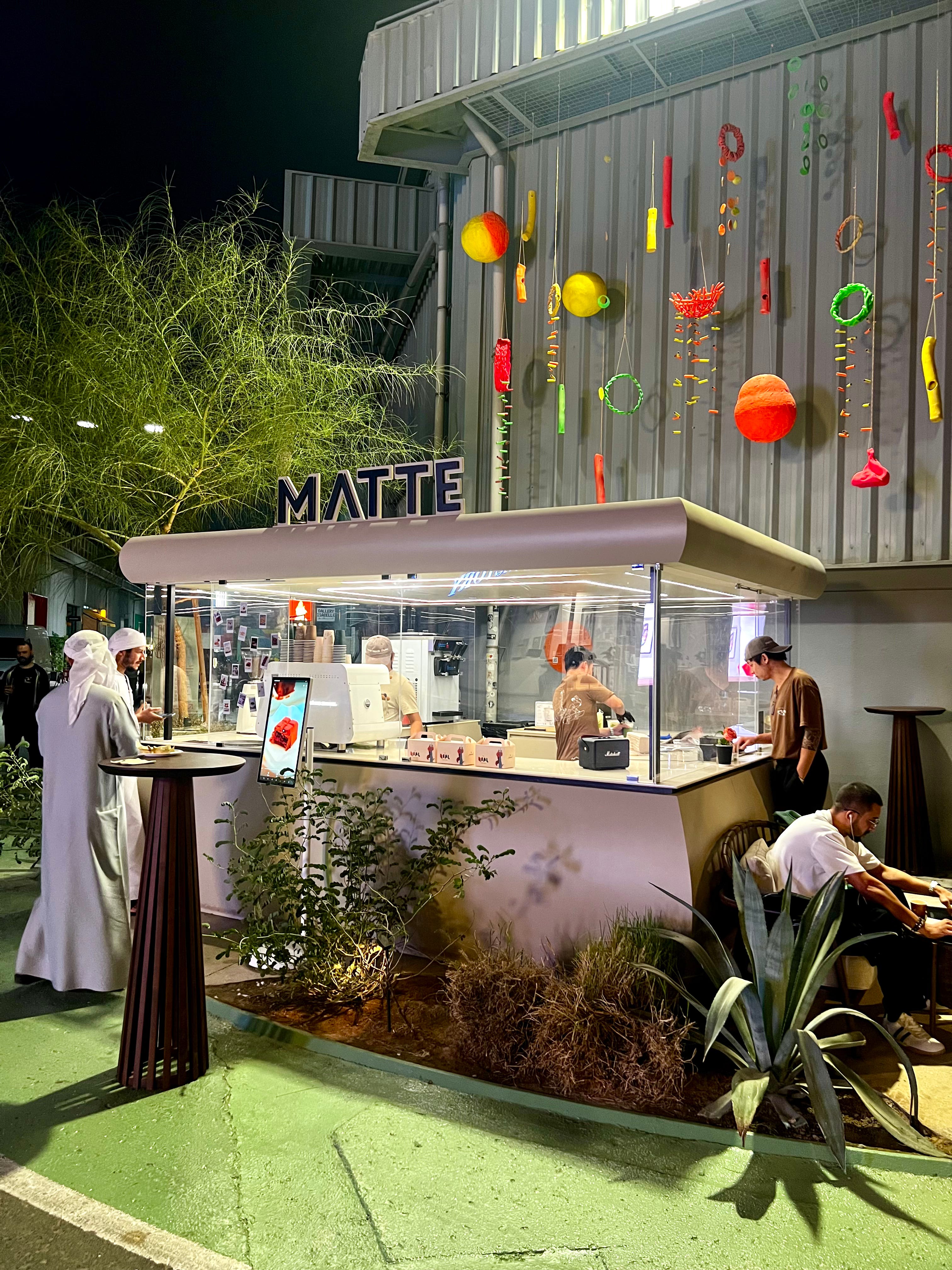
Bonus: If you’re in Dubai before January 26th, you should definitely check out the Matte Café pop-up at Alserkal Avenue and ask for the skillet cookies with ice cream. Best dessert ever.
Sharp takeaway from 1BFS: the creator economy is no longer about reach or virality, it’s about infrastructure, ownership, and which regions are structurally positioned to capture long-term value.
Gotta start somewhere David, and I couldn't have done it without you! But I agree next year needs more! So honored to have you there. Looking forward to your input as we build the 2027 event!